
Find Burnsville DUI Records
Burnsville DUI records are processed through the Dakota County District Court in the 1st Judicial District. The Burnsville Police Department handles DWI enforcement on city streets and highways within the city. Minnesota uses the term DWI for driving while impaired, which covers alcohol, drugs, and hazardous substances. After an arrest, the case goes from the police department to the Dakota County Attorney and then into the court system. You can search for Burnsville DWI cases online through the state's free court records tool or request the police report directly from the department.
Burnsville Overview
Burnsville DUI Cases in Dakota County
All DUI arrests in Burnsville go to the Dakota County District Court. The court is in Hastings, the county seat. Dakota County is in the 1st Judicial District, which also covers several other counties south of the Twin Cities. When Burnsville police make a DWI arrest, the case file is forwarded to the Dakota County Attorney's office for a charging decision.
Under Minn. Stat. 169A.20, it is illegal to drive, operate, or be in physical control of a motor vehicle while impaired. Burnsville sits at the junction of Interstate 35W and County Road 42, a busy corridor with frequent traffic enforcement. Officers from the Burnsville Police Department actively patrol these roads and make DWI arrests year-round.
The Burnsville city portal gives you access to city departments and police services.
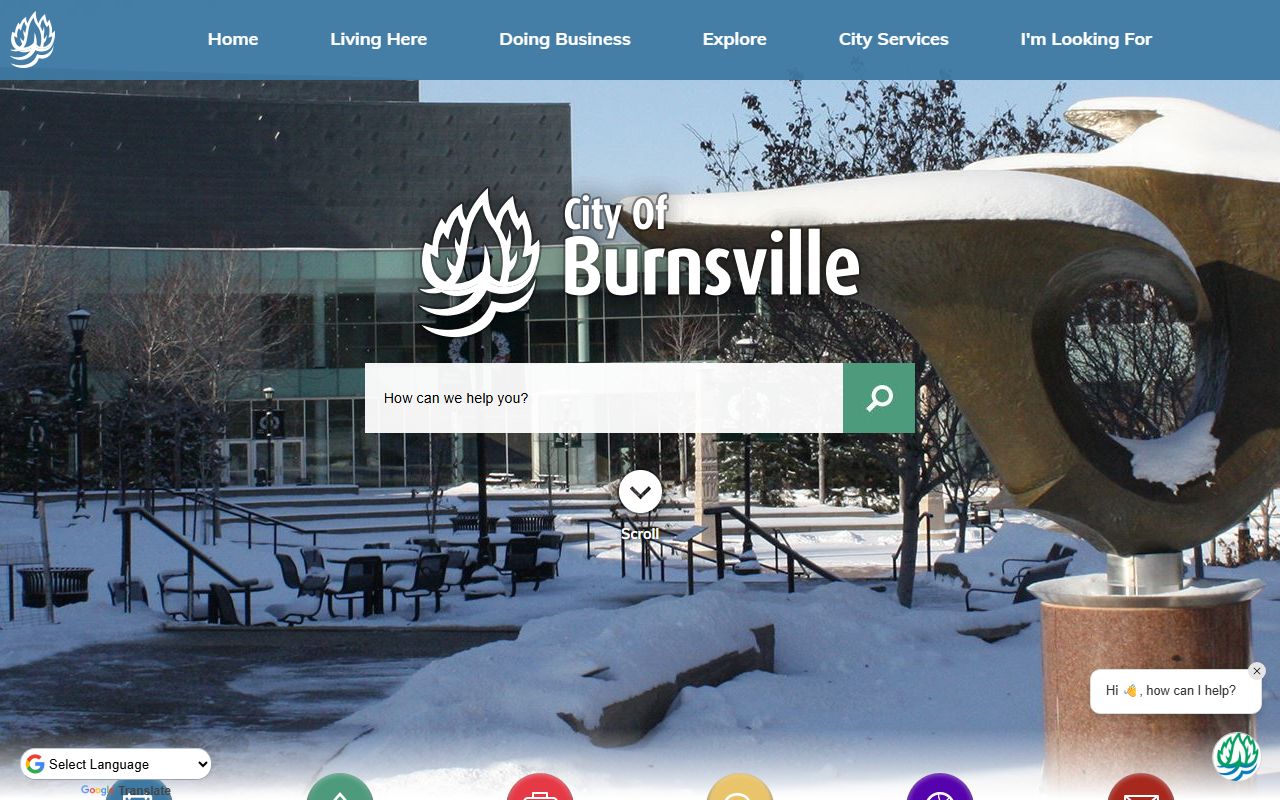
Through the city website, you can find contact details for the Burnsville Police Department and learn how to request DUI arrest records under the data practices act.
How to Search Burnsville DUI Records
Start with Minnesota Court Records Online (MCRO) to look up a Burnsville DWI case. Choose Dakota County from the court list and enter the person's name. The system is free and shows charges, case status, and hearing dates. You do not need to create an account.
MCRO shows court data only. It does not have the police report. For the arrest report, breath test data, and officer notes, you contact the Burnsville Police Department. Under the Minnesota Government Data Practices Act, most police reports are public after the investigation closes. There may be a small fee for copies.
What you can find through MCRO for a Burnsville DUI case:
- Names of parties involved
- DWI charge degree and statute cited
- Hearing schedule and courtroom
- Case outcome and sentencing details
For driving records showing DWI-related license revocations or suspensions, contact the Driver and Vehicle Services (DVS) division. They keep records of all administrative actions tied to DUI cases, separate from the court file.
Note: Court records and driving records are two different systems with different information.
DUI Penalties for Burnsville Cases
Burnsville DUI penalties follow Minnesota's four-degree system. The degree depends on how many priors you have and whether aggravating factors are present. Fourth degree under Minn. Stat. 169A.27 is a misdemeanor for first-time offenders with no aggravating factors. A first-degree DWI under Minn. Stat. 169A.24 is a felony carrying up to seven years in prison.
Aggravating factors that can increase the charge include a BAC at or above 0.16, a prior DWI within ten years, or a child under 16 in the car. Two or more of these factors on a single arrest pushes the degree up. Burnsville police document all aggravating factors in the arrest report, and those details carry through to the court filing.
Beyond fines and jail time, a Burnsville DWI conviction can mean license revocation, plate impoundment, vehicle forfeiture in serious cases, and mandatory chemical dependency evaluation. The consequences stack up quickly for repeat offenders. Even a first offense with aggravating factors can result in significant penalties including a longer license revocation period.
Burnsville DUI Records and Implied Consent
Minnesota's implied consent law is in Minn. Stat. 169A.51. It means that by driving on Minnesota roads, you have already agreed to take a chemical test if an officer has probable cause to believe you are impaired. Refusing the test is a crime and creates separate records in the Burnsville DUI case file.
When a Burnsville officer requests a test and the driver refuses, the officer sends the paperwork to the Department of Public Safety. That triggers an automatic license revocation under Minn. Stat. 169A.52. The driver can request a judicial review hearing to challenge it, but must do so within the time limit. The revocation is administrative and runs on a separate track from the criminal case in court.
Both the test refusal and the criminal DWI charge create records that show up in different places. The court case is on MCRO. The license revocation is on your driving record at DVS. A BCA criminal history search will show criminal convictions but not pending cases or administrative actions.
Ignition Interlock for Burnsville DWI Cases
The ignition interlock program under Minn. Stat. 171.306 requires certain DWI offenders to install a breath-testing device on their vehicle. The device prevents the car from starting if it detects alcohol. For Burnsville DUI cases with high BAC or repeat offenses, the interlock requirement is common.
The program length ranges from one to six years. During this time, the device logs every start attempt and any failed tests. Tampering with the device or having someone else blow into it can lead to additional criminal charges. Getting your license fully reinstated after a Burnsville DWI requires completing the interlock program if ordered, paying reinstatement fees, and meeting any treatment requirements under Minn. Stat. 171.178.
Dakota County DUI Records
Burnsville is in Dakota County. All DUI cases from the city are processed through the Dakota County District Court in Hastings. For more on the county court and DUI resources, visit the Dakota County page.
Nearby Cities
These cities are near Burnsville and handle DUI cases through Dakota County or nearby county courts.