
Search Minnesota DUI Records
Minnesota DUI records are filed through the state's District Court system in all 87 counties. You can look up DWI case records online for free through the Minnesota Court Records Online system, which covers every county court in the state. Each case file shows charges, court dates, and case status. The state calls these cases "DWI" or driving while impaired, but the records work the same way no matter what term you use. If you need to find a DUI record in Minnesota, you can search by name or case number. For full case documents or certified copies, contact the court administrator in the county where the case was filed.
Minnesota DUI Records Overview
Where to Find Minnesota DUI Records
DUI records in Minnesota are kept at the District Court in the county where the arrest took place. The state has 87 counties split across 10 judicial districts, and each court holds its own case files. A DWI case file has the complaint, charges, plea, hearing notes, and the final disposition. The court administrator in each county manages these files. You can ask for copies in person, by mail, or through the online system.
The Minnesota Court Records Online (MCRO) system is the main way to search DUI records from any county. It is free. You can search by name, case number, or citation number. The results show case details, hearing dates, and public documents filed after July 1, 2015. For older DUI records or documents not yet scanned, you need to call the local court office. MCRO does not show pending cases that lack a conviction when you search by defendant name. You would need the case number for those.
The Bureau of Criminal Apprehension (BCA) also keeps criminal history data tied to DUI convictions. A BCA search costs $8 per name and links records through fingerprints, which makes it more reliable for checking a person's full DWI history across the state. You can run this search online or visit the BCA office at 1430 Maryland Avenue East in St. Paul.
The MCRO homepage has training guides and quick reference videos if you need help using the search system. Documents like registers of actions and hearing schedules are available once you find a case.
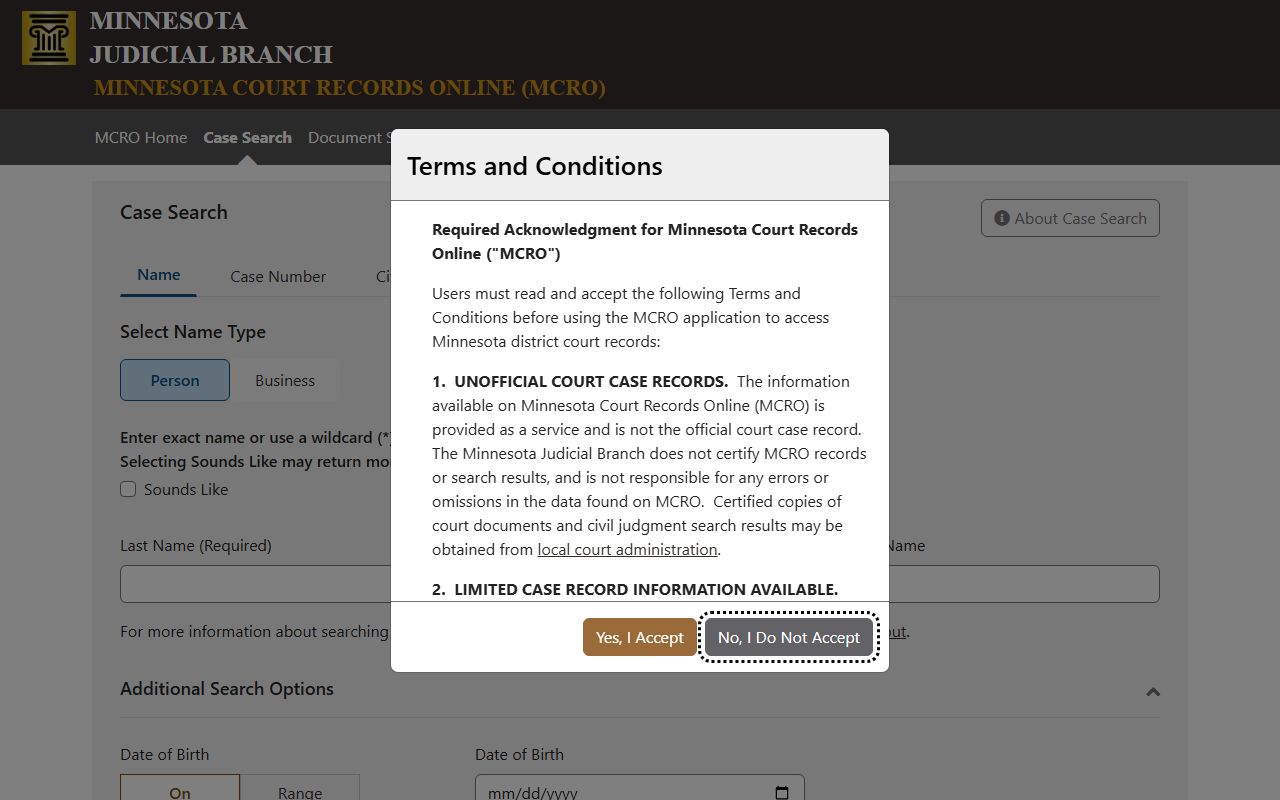
The screenshot above shows the MCRO case search page where you can look up DUI records by name or case number across all Minnesota counties.
How to Search DUI Records in Minnesota
Start at the MCRO case search page. You have four search tabs: Case Search, Document Search, Hearing Search, and Judgment Search. For DUI records, the Case Search tab works best. Type in the person's last name and first name, pick a county or search statewide, and hit search. The results list all matching cases. Click on a case to see the register of actions, which lists every filing and hearing in that case.
You can also search by citation number. This is the number on the ticket the officer gave at the time of the DWI stop. It links straight to the court case tied to that citation. If you have a case number already, the Document Search tab lets you pull up any public filings in that case.
There are some things to keep in mind. Cases without a conviction do not show up when you search by defendant name. You need the case number to find those. Domestic abuse cases, juvenile records, and certain sealed files are not on MCRO at all. DUI records from before July 2015 may have limited documents online, though the case itself should still appear in search results. For those older files, call the court administrator.
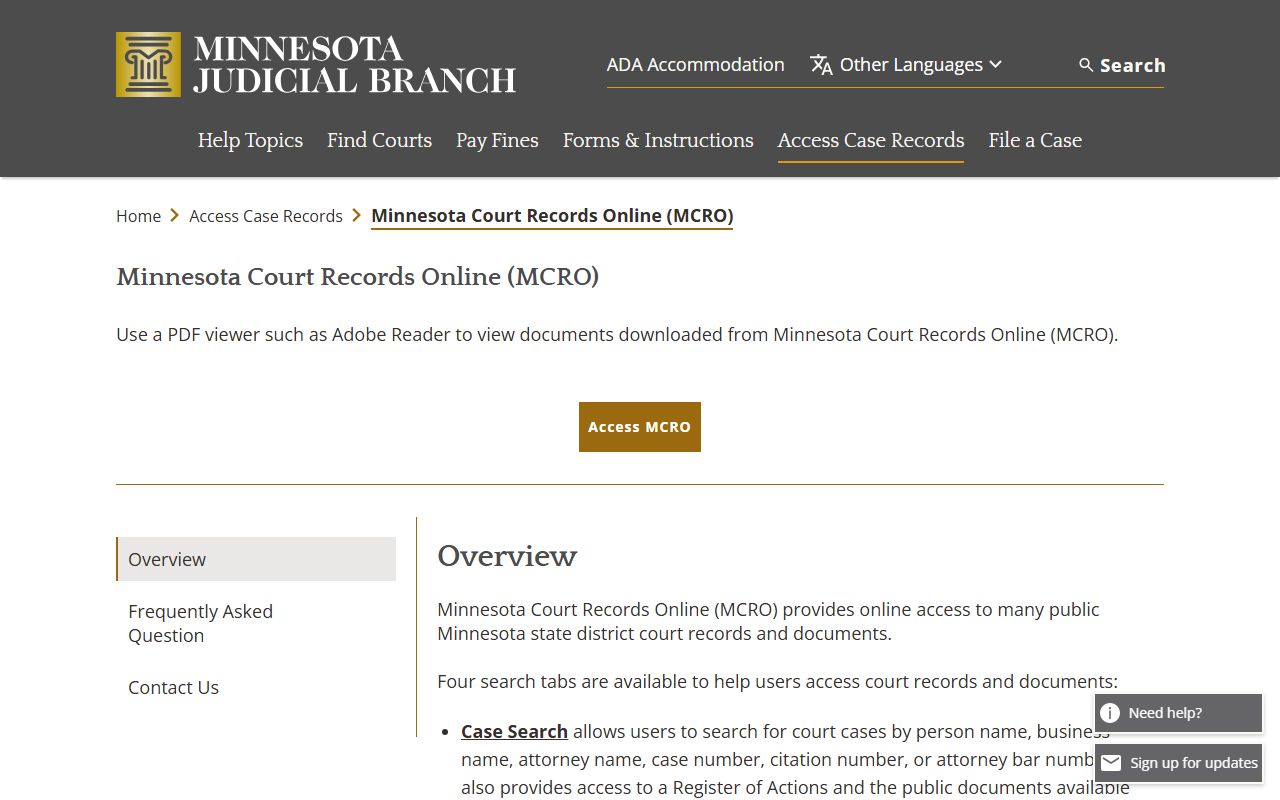
The MCRO homepage shown above explains the system and links to training guides for each type of search.
Note: MCRO should not be used as a criminal history tool. The BCA is the right place for that.
Minnesota DUI Records and DWI Laws
Minnesota uses the term "DWI" (driving while impaired) in its statutes instead of "DUI." The core law is Minnesota Statutes Section 169A.20, which makes it a crime to drive with a blood alcohol concentration of 0.08 or higher. The limit drops to 0.04 for commercial vehicles. The law also covers driving under the influence of controlled substances, cannabis, or any combination of these. Refusing a chemical test is a separate crime under the same chapter.
DWI offenses in Minnesota come in four degrees. Each degree creates a different type of DUI record. Fourth-degree DWI is a misdemeanor with no aggravating factors. It is the most common. Third-degree DWI is a gross misdemeanor that kicks in when one aggravating factor is present. Second-degree DWI involves two or more aggravating factors. First-degree DWI is a felony reserved for those with three or more qualified prior incidents within 10 years, or anyone with a prior felony DWI. A first-degree conviction can bring up to seven years in prison and a $14,000 fine.
Aggravating factors include having a prior DWI within 10 years, a BAC of 0.16 or higher, or having a child under 16 in the vehicle. These factors move a case up to a higher degree and leave a more serious mark on the DUI record.
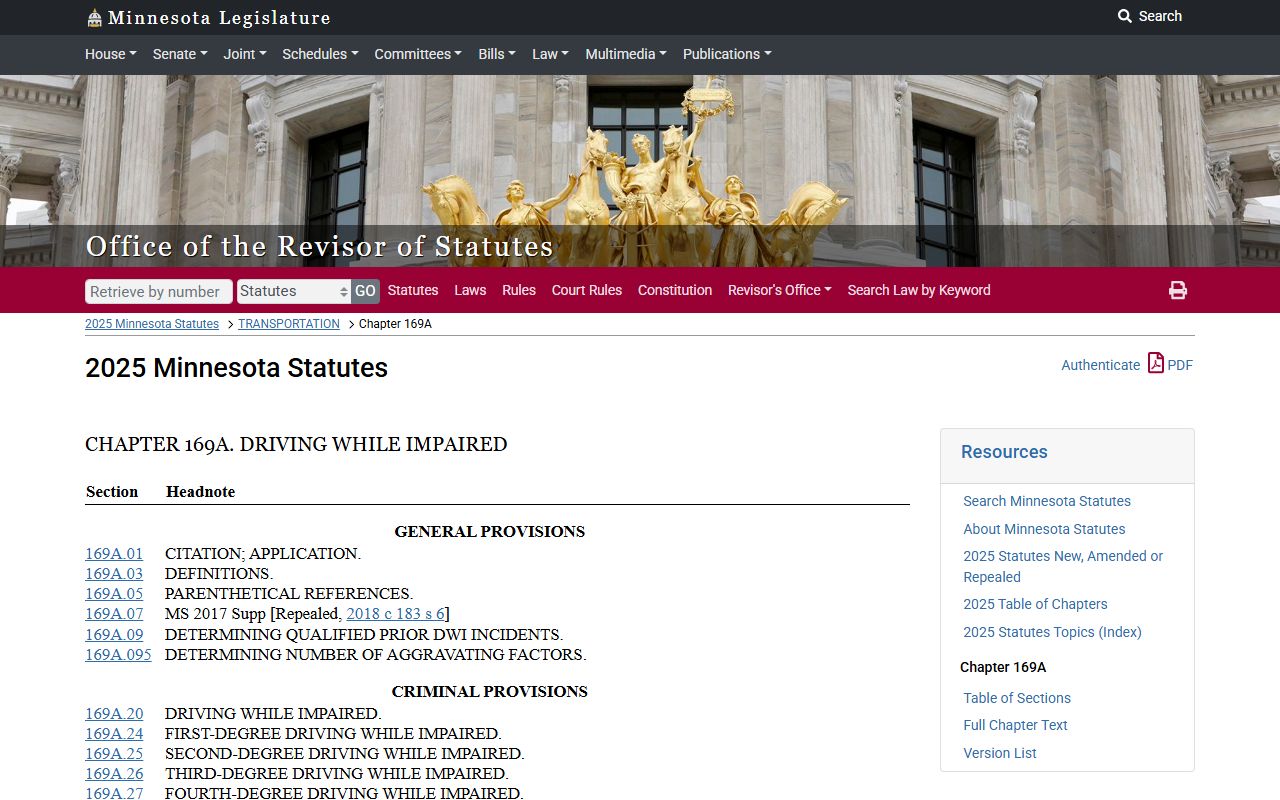
The full text of Chapter 169A shown above covers all DWI provisions including general rules, criminal penalties, and administrative actions.
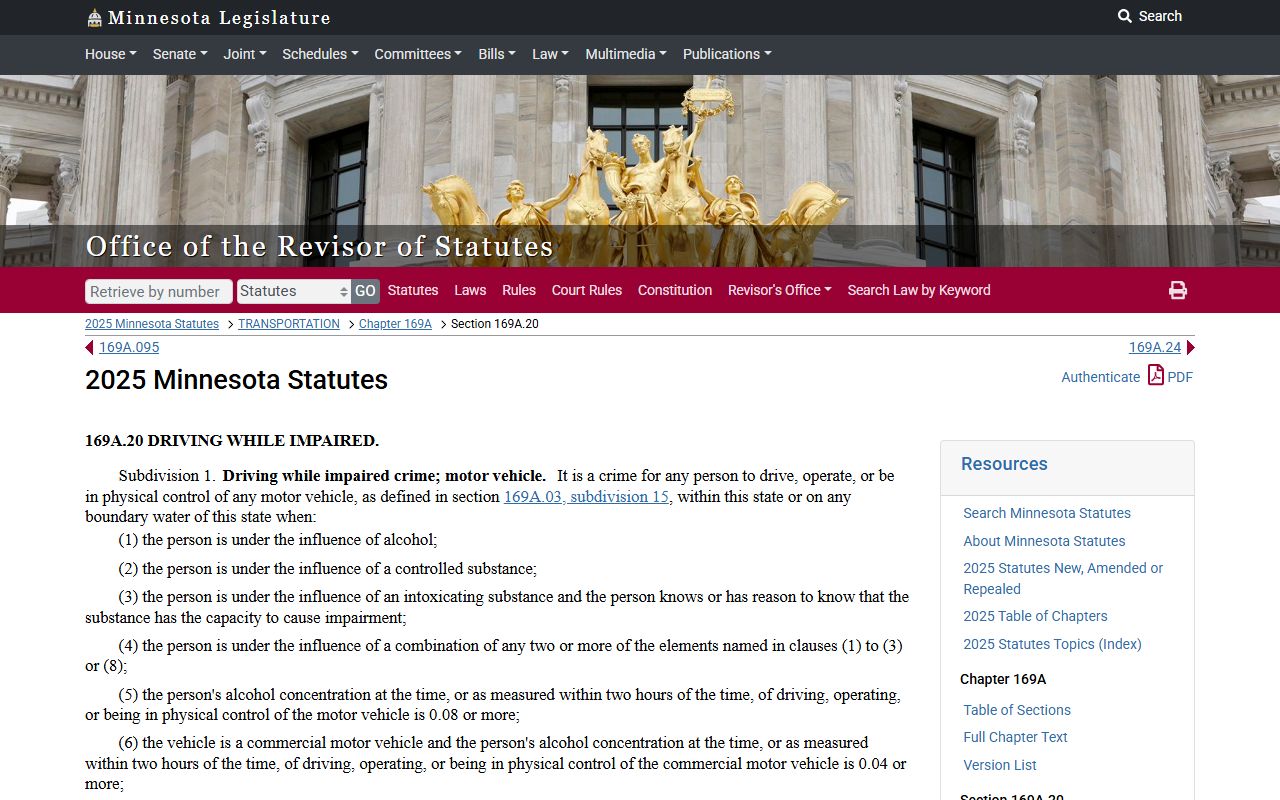
Section 169A.20 above defines what counts as driving while impaired in Minnesota, including the 0.08 BAC threshold and drug-related impairment.
DUI Records and License Actions in Minnesota
A DWI arrest in Minnesota triggers two separate tracks. The criminal case goes through District Court and creates the DUI record you find on MCRO. The administrative side hits your driver's license through the Department of Public Safety's Driver and Vehicle Services (DVS). Both tracks generate records.
Under Section 169A.52, your license gets revoked right away if you fail or refuse the chemical test. A first-offense test failure means a 90-day revocation. Refusing the test bumps that to one full year. A BAC of 0.16 or higher also triggers a one-year revocation on a first offense. The officer gives you a temporary 14-day license at the time of the arrest. After that, your driving privileges depend on whether you request a review of the revocation.
You can check your license status and handle some DVS tasks through the DVS online portal.
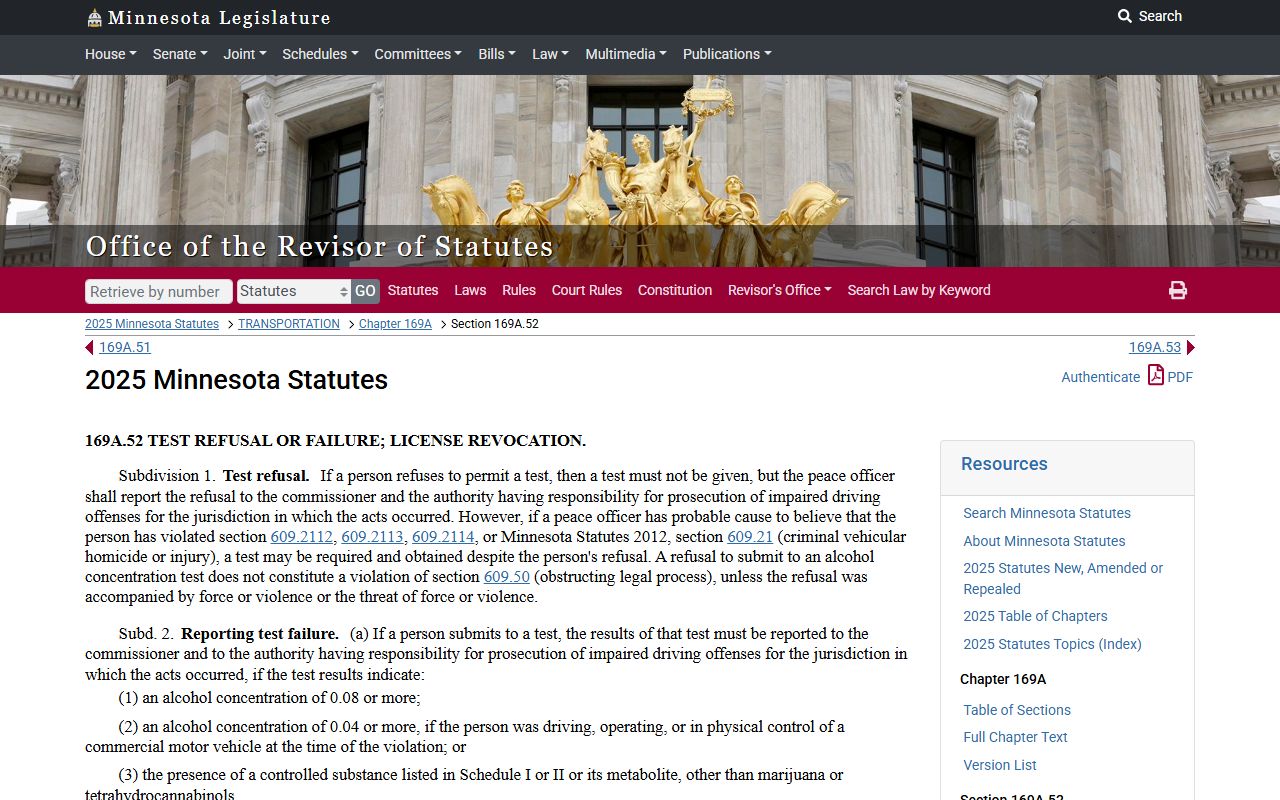
The statute shown above outlines the license revocation periods for DUI test failures and refusals in Minnesota.
Section 171.178 lays out the full range of license sanctions for DWI convictions. Repeat offenders face longer revocation periods and may have their license canceled as "inimical to public safety." The ignition interlock program under Section 171.306 lets some offenders get a restricted license if they install a device that prevents the car from starting when it detects a breath alcohol level of 0.02 or more. Minimum participation runs from two years to life, depending on the offense.
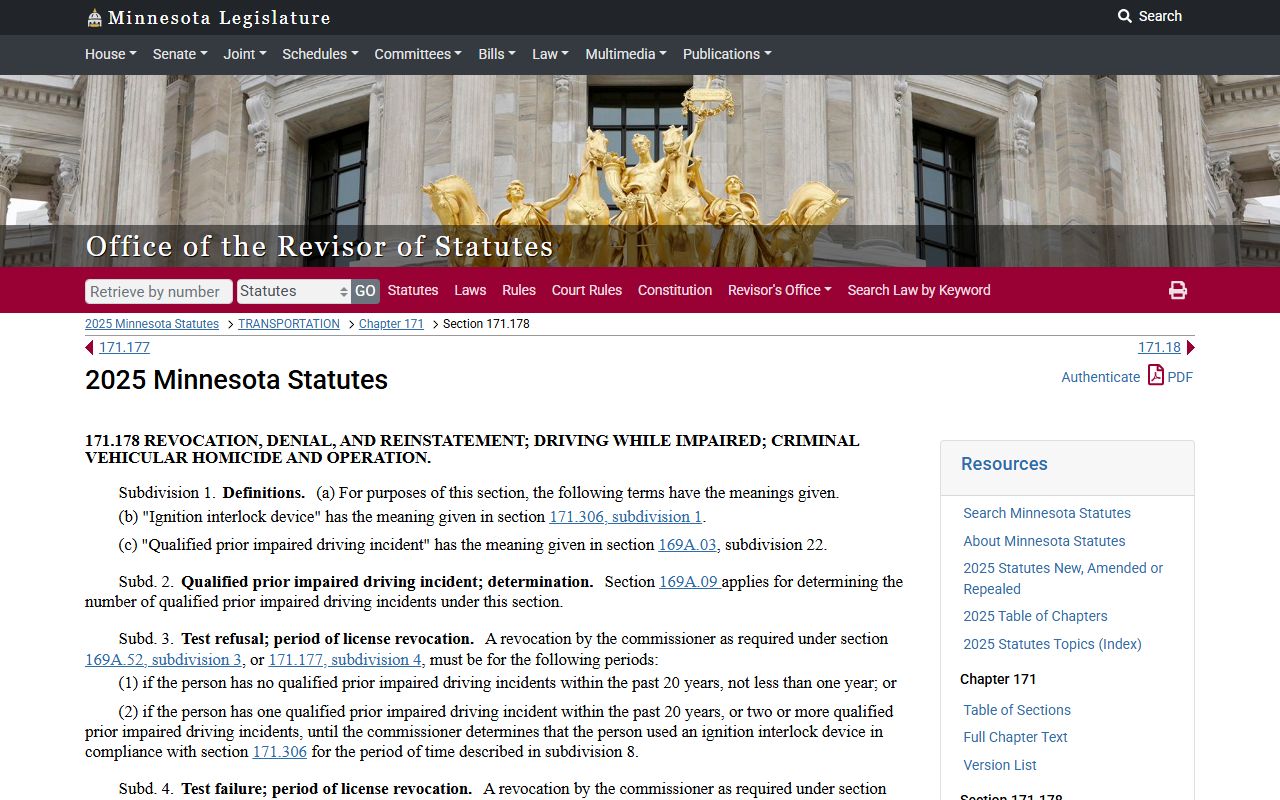
This statute page covers the reinstatement process for licenses revoked due to DWI convictions in Minnesota.
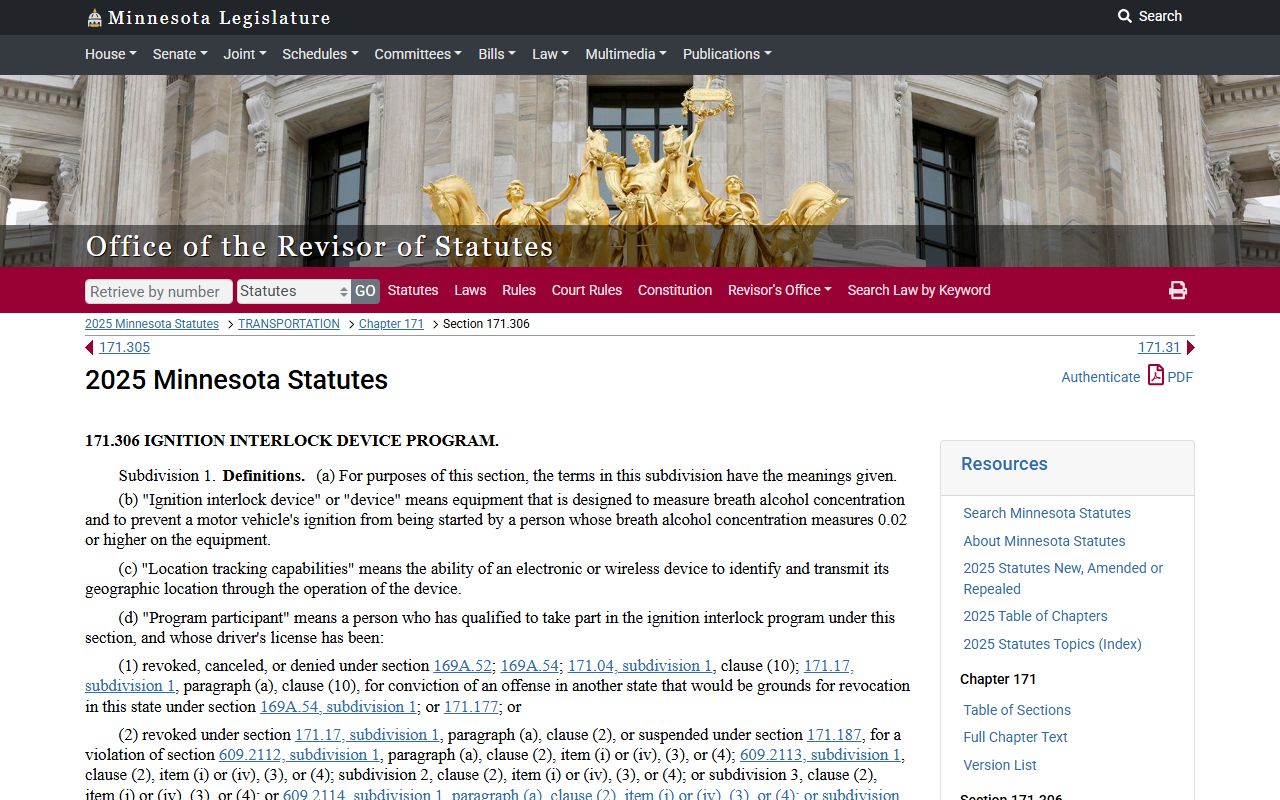
Section 171.306 above details the ignition interlock program requirements and participation periods.
Minnesota DUI Records Through the BCA
The Bureau of Criminal Apprehension maintains the Minnesota Criminal History System. This is where DUI convictions get linked to a person through fingerprints. A BCA criminal history search pulls up all convictions statewide, not just one county. It costs $8 per name search.
You can run a BCA search online at the Criminal History Search portal, or visit their office in St. Paul, or call (651) 793-2400 and select option 7. The BCA search is more thorough than MCRO for checking someone's full record because it ties data to fingerprints. MCRO might miss cases if a name was spelled differently or if the person used a different name.
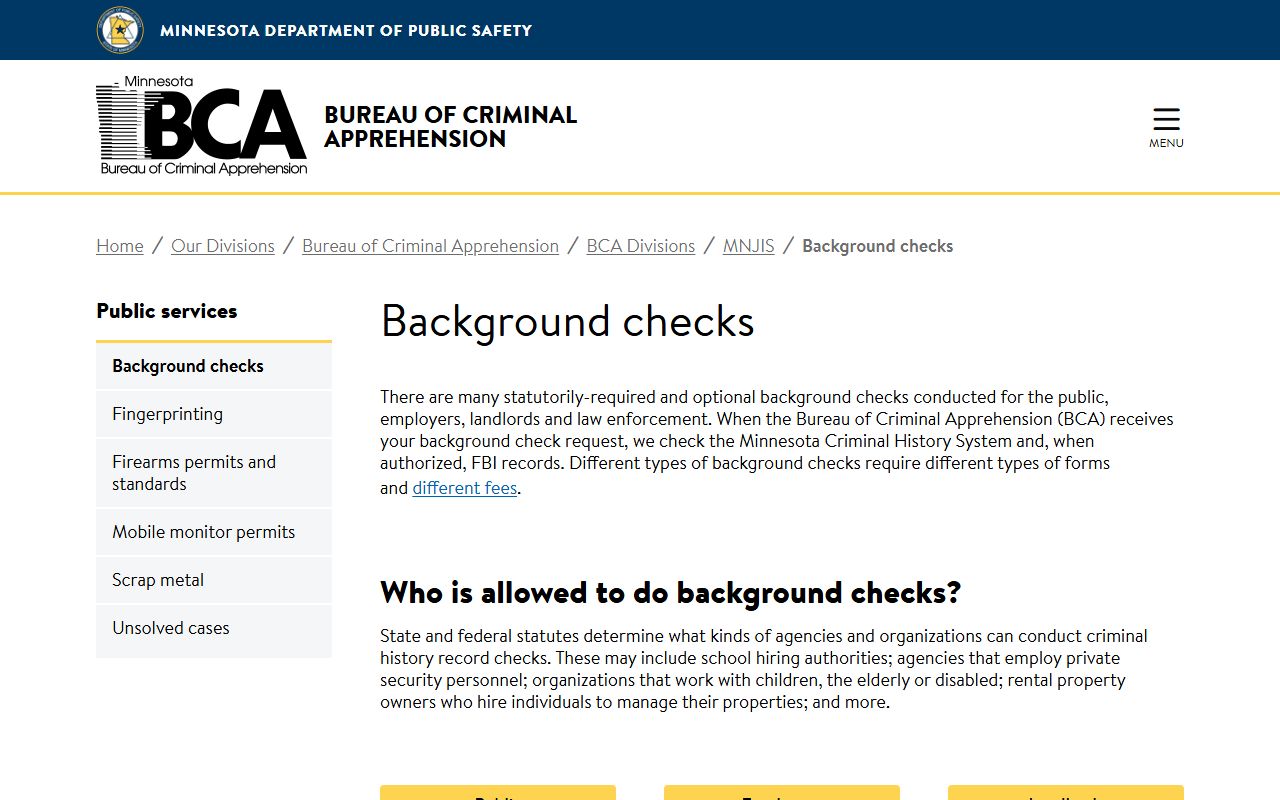
The BCA criminal history page above explains the different types of criminal history searches and who can access them.
The BCA homepage provides access to criminal justice services, forensic science, and the criminal history records system.
The Minnesota State Law Library also has a research guide on criminal records that links to BCA resources and explains how the criminal history system works. You can reach the Law Library at (651) 297-7651 during business hours.
The Law Library guide shown above walks through the options for searching criminal history in Minnesota, including DUI records.
Minnesota DUI Records Resources
Several state agencies play a role in Minnesota DUI records. The Minnesota Judicial Branch runs the court system and hosts the MCRO search tool. Their website also has self-help resources, eFile access, and information on criminal expungement. You can reach the Self-Help Center at (651) 435-6535.
The Access Case Records page on the Judicial Branch site is the gateway to court records for all case types, including DUI cases. It links to MCRO, appellate opinions, and technical support contacts.
The Judicial Branch homepage above is the main portal for court services, self-help centers, and online case access.
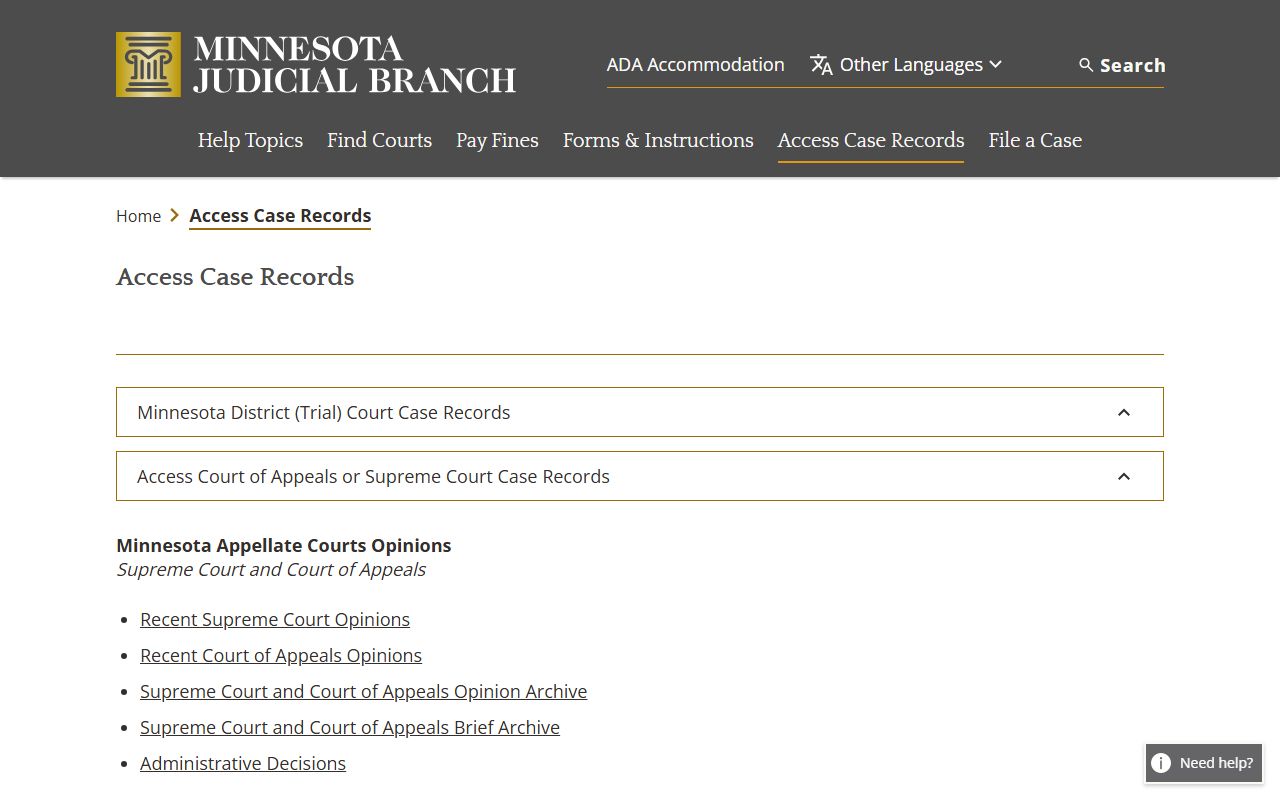
This page links to all the ways you can access court records in Minnesota, including DUI case filings.
Driver's license matters tied to a DUI go through the Department of Public Safety DVS. You can check license validity, schedule tests, and handle reinstatement tasks through the DVS online portal.
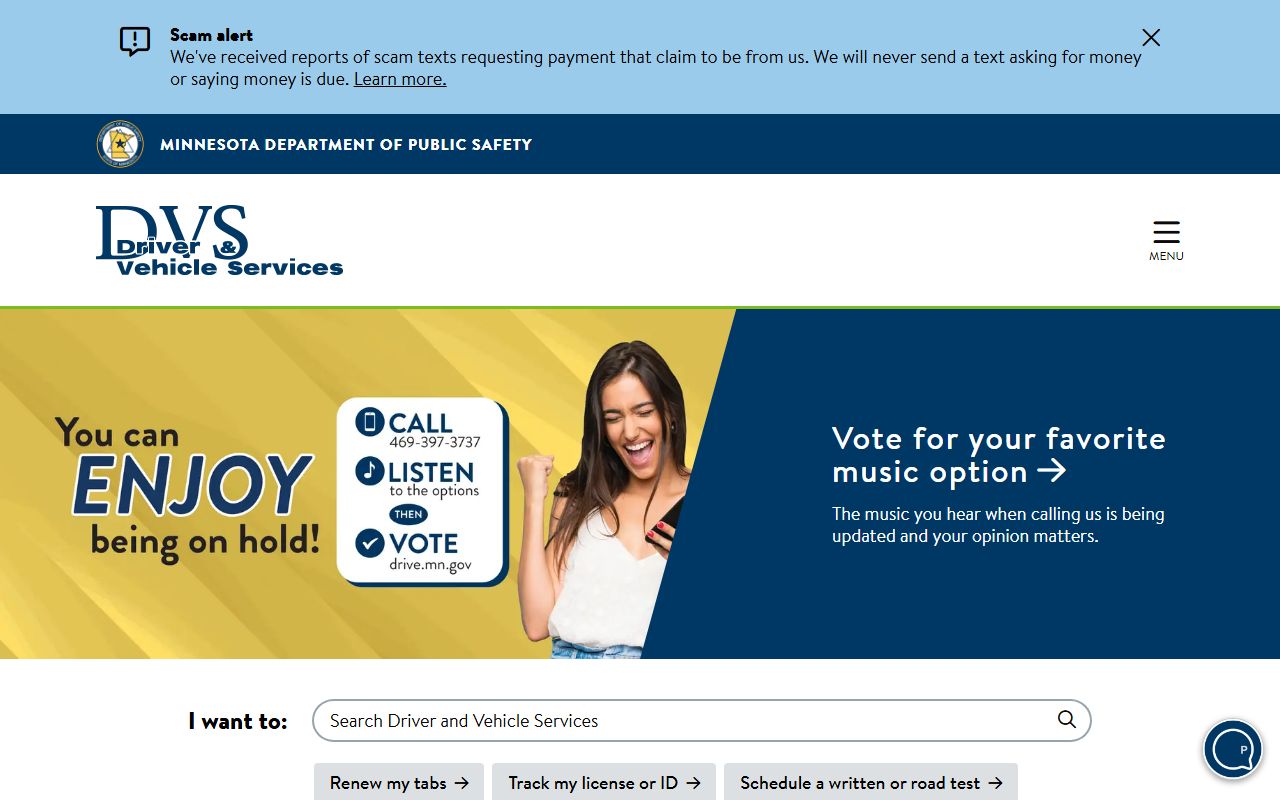
DVS handles all driver's license actions related to DWI convictions, including revocations and reinstatements.
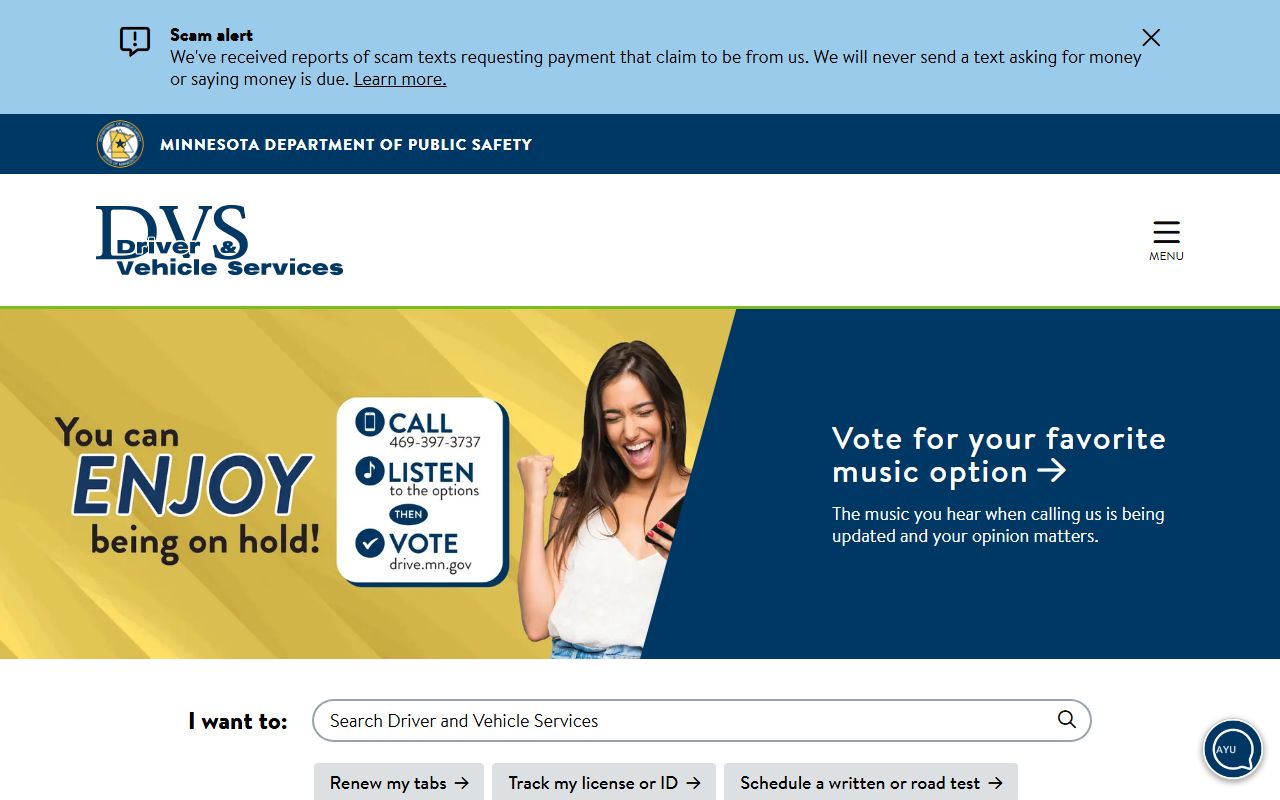
The DVS online portal lets you check your license status and complete some reinstatement steps from home.
Note: Court fines and fees tied to DUI cases can be paid through the Minnesota Court Payment Center or by calling 651-281-3219.
Browse Minnesota DUI Records by County
Each of Minnesota's 87 counties has its own District Court that handles DUI cases. Pick a county below to find court contact info, local resources, and details on how DWI records work in that area.
DUI Records in Major Minnesota Cities
DUI cases in Minnesota go through the county District Court, not a city court. Pick a city below to find out which county handles DUI records for that area and how to search them.